
Professor John E Cooper Professor John E Cooper is part of a husband and wife team, from the United Kingdom. He started life as a keen naturalist, trained as a veterinary surgeon and is now a specialist pathologist with particular interests in wildlife and exotic species, tropical diseases and comparative medicine. He is an Honorary Member of BIAZA and, amongst other appointments, serves as veterinary advisor to Haith’s, the bird food specialists. With his wife (Margaret Cooper, a non-practising solicitor with special interests in animal and conservation law), he holds several visiting academic appointments.
The Coopers have spent nearly twenty years living overseas, especially in Africa, including a period in Rwanda working with the mountain gorillas. In 2009 they returned from nearly seven years at the University of the West Indies in Trinidad and Tobago where they combined their medical and legal backgrounds in the promotion of an interdisciplinary approach to veterinary and biological education, wildlife conservation and forensic science. They are the authors of two books on animal forensics and various other texts. The Coopers are now based in Britain but travel widely and lecture together in many countries. They continue their voluntary work with wildlife, domesticated animals and people in East Africa.
Here we share a lovely message to us at PALS from John and Margaret and their continued work for wildlife and exotic species.
Dear PALS colleagues: Congratulations on your 20th Anniversary – and thank you for your help over the years. The PALS plastic rulers are still in regular use in our training workshops in Kenya!
We are having a busy month. Margaret has just completed a joint chapter on legislation for the next edition of the BSAVA “Manual of Exotic Pets” and she was concurrently reviewing a paper for In Practice over the weekend.
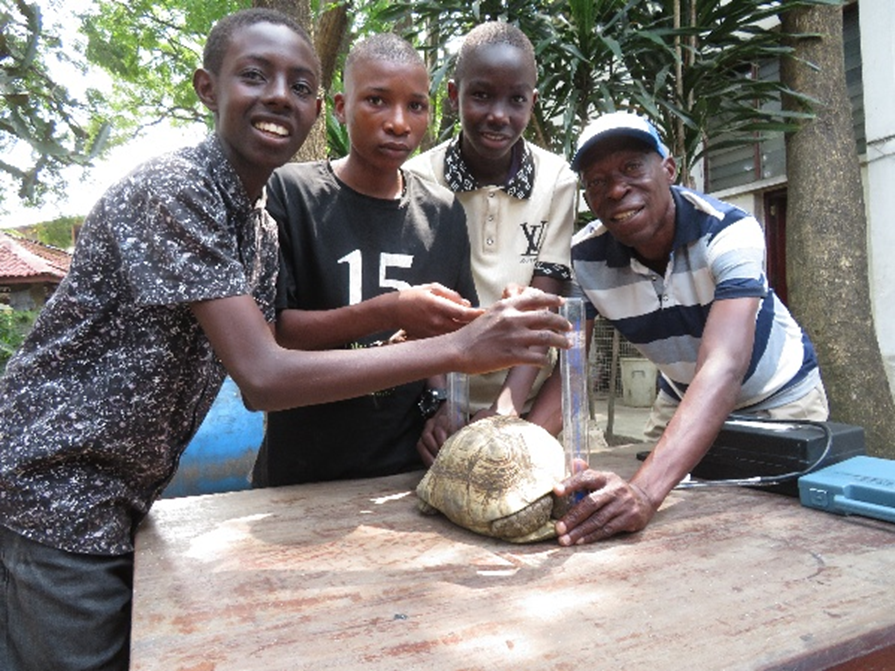
During March we have been to Cambridge, lecturing and organising the CPD at the BCG (British CheloniaGroup) Symposium: http://www.britishcheloniagroup.org.uk/events/spring-symposium-2026
By 31st April we must submit to our publishers the final revisions to the text of our forthcoming book on human-animal conflict. On Thursday 9th April John may fly to Kenya to check reptile projects. It’s just as well we don’t believe in retirement!
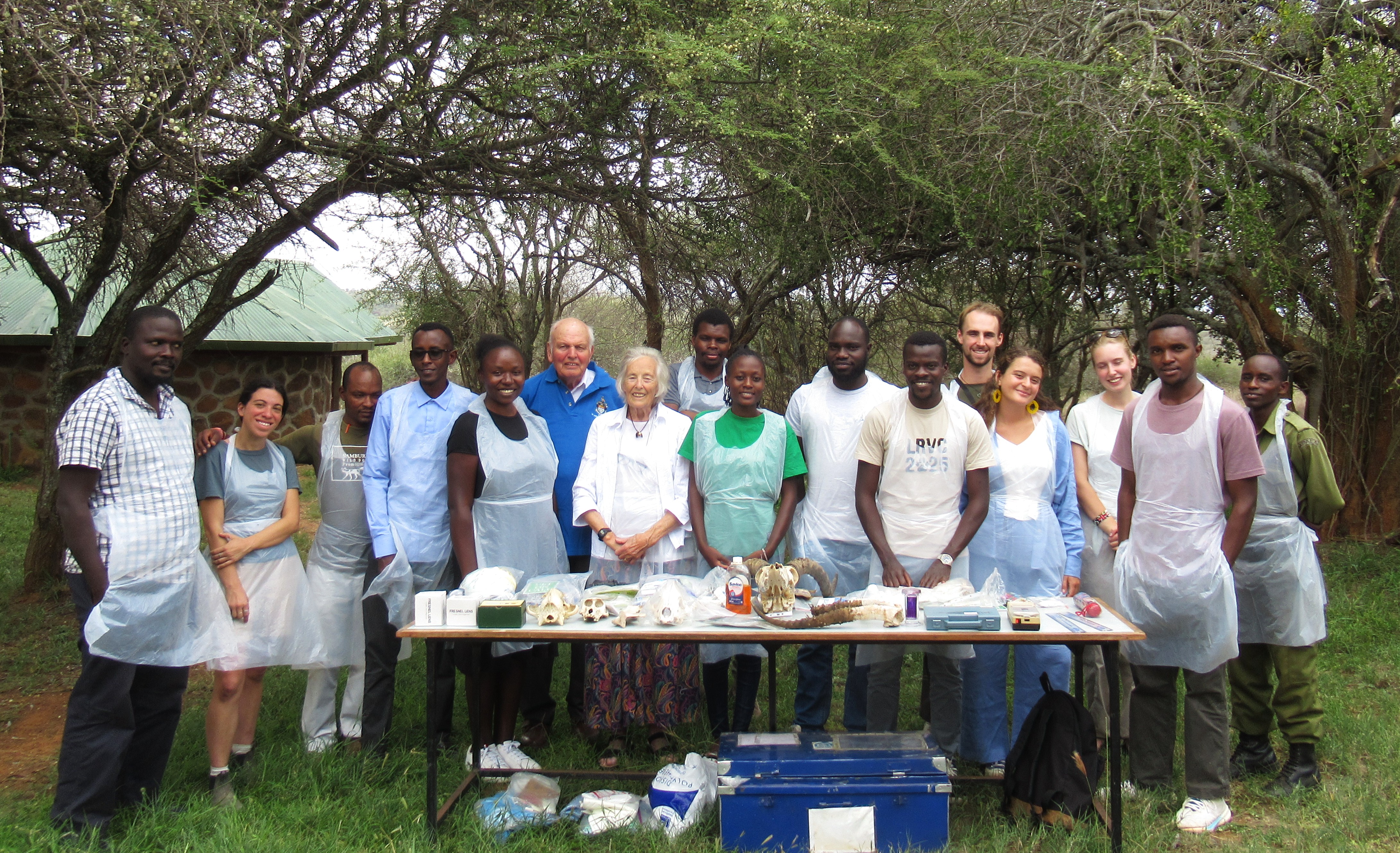
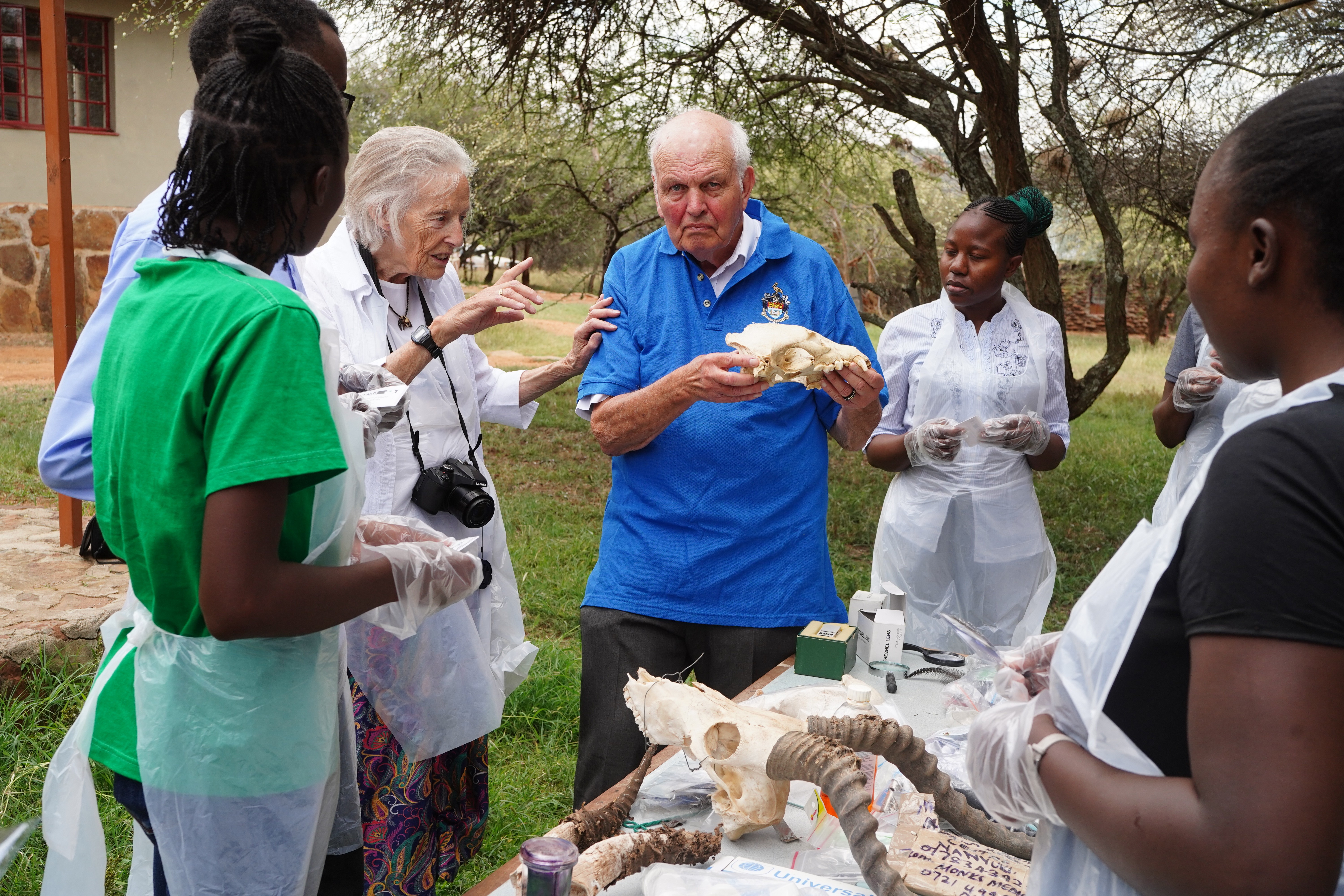
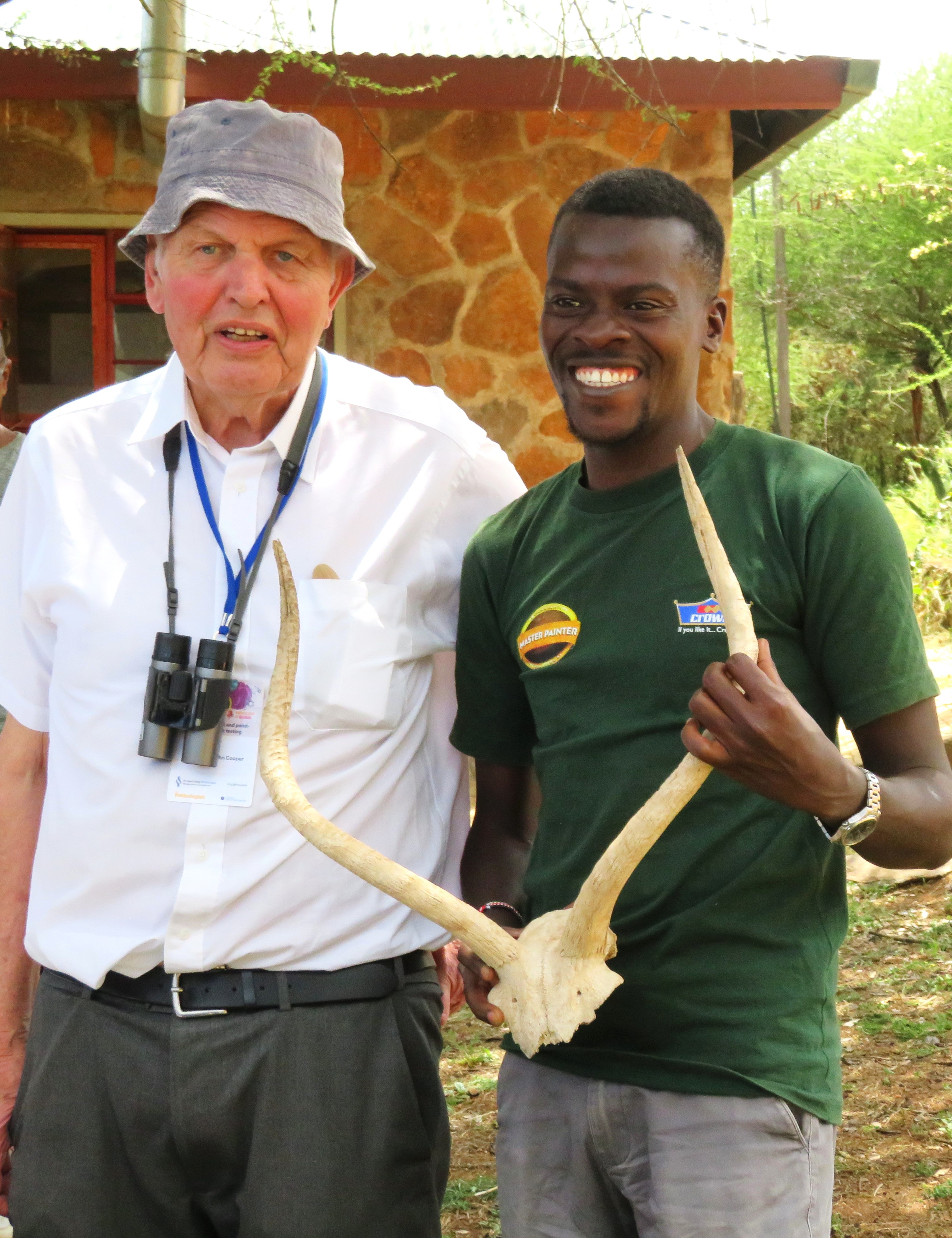
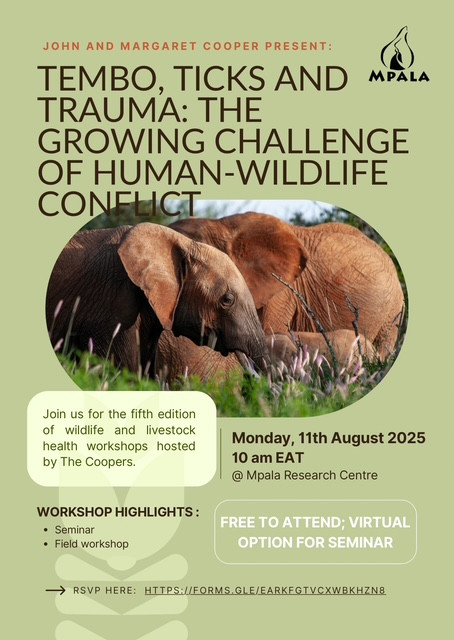
We have been in Kenya (our “nyumba ya pili” – “second home”) where we enjoyed seeing friends and colleagues, checking reptile projects, and presenting a seminar and field workshop (“Tembo, ticks and trauma: the growing challenge of human: wildlife conflict”) at Mpala Research Centre. The latter attracted a good number of people online and in person. We were able to tell the attendees about our forthcoming book on human-animal conflict and we taught techniques, such as examination of lion skulls for lesions that might assist in determining why an individual animal has taken to killing humans or livestock.
PROFESSOR JOHN E COOPER, DTVM, FRCPath, FRSB, Hon FFFLM, FRCVS , MRS MARGARET E COOPER, LLB, FLS, Hon FFFLM, Hon FRCPath
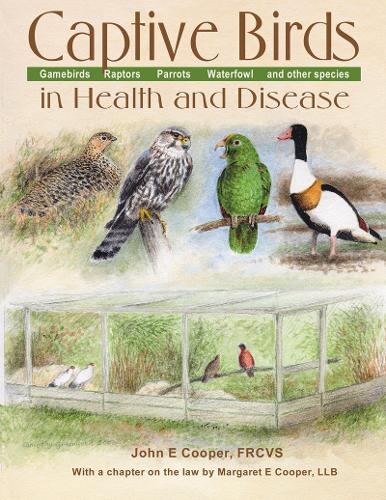
Available to purchase through Waterstones: www.waterstones.com/book/captive-birds-in-health-and-disease/john-e-cooper/margaret-cooper/9780888395382
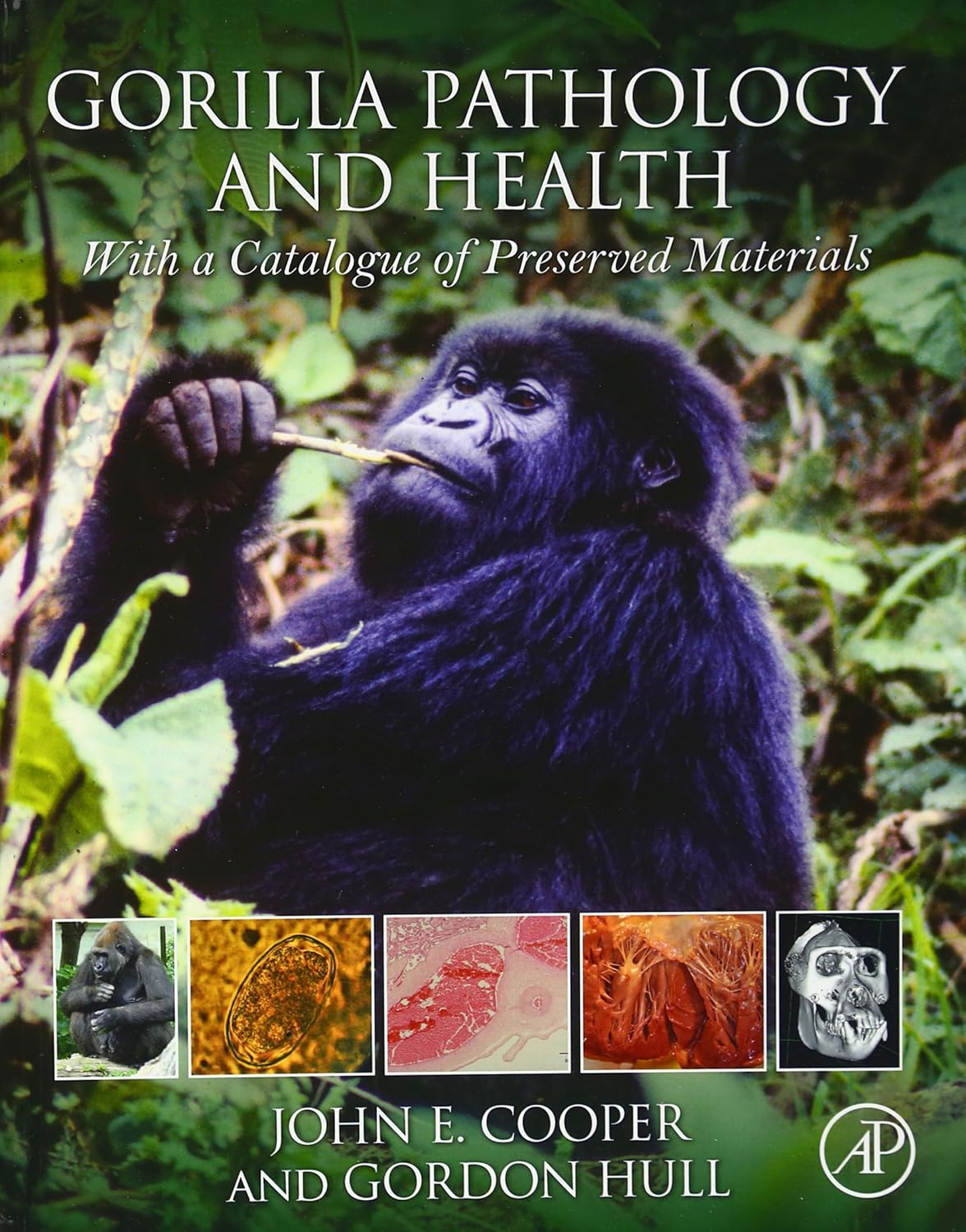
Available to order through Amazon: www.amazon.co.uk/Gorilla-Pathology-Health-Catalogue-Preserved/dp/0128020393
John E Cooper is a member of a husband and wife team, from the United Kingdom. He and his wife Margaret (a lawyer, who is a contributor to this book) travel widely and lecture together in many countries. They have spent nearly twenty years living overseas, mainly in Africa, the Middle East and the Caribbean. They worked with mountain gorillas in Rwanda from 1993-95 and continue to study the diseases of these and other primates. The Coopers are now based in Britain, where they have visiting academic commitments, but they continue their voluntary work with wildlife, domesticated animals and rural communities in East Africa.
Gordon Hull is an amateur naturalist with a keen interest in primates. He has specialised in the study of gorillas over many years, during which time he has amassed a great deal of technical and historical information about specimens in zoos, museums, and other institutions throughout the world. Although unaffiliated, he has been, and remains, an assiduous and effective researcher, able to elicit excellent responses and co-operation from professional scientists and lay persons alike. Gordon is a member of the Gorilla Pathology Study Group (GPSG) and was a co-author with John E Cooper and Gladys Kalema-Zikusoka of the paper “Diseases and Pathology of the Genus Gorilla: The Need for a Database of Material and Resources”, presented in Nairobi, Kenya, in September 2013, that set the scene for this publication.
This work was published in 2017 by Academic Press Elsevier- see ISBN: 9780128020395 Gorilla Pathology and Health. A combination of book and catalogue that contains extensive information on the pathology, health, welfare, and conservation of gorillas. It:
- Brings together studies, data, and clinical practice from difficult-to-access or obscure journals and NGO reports, in different languages, for all interested parties and practitioners.
- Provides perspectives on existing research in gorilla pathology and health, both for those studying conservation and welfare practices and those seeking a greater understanding of comparable diseases in humans
- Includes illustrative figures of gross and microscopic pathological changes, museum specimens, photos of field necropsy and techniques, and examples of laboratory tests
- Features an extensive list of references and further reading, in different languages
- Incorporates a comprehensive, descriptive catalogue of gorilla material from around the world.
With a Foreword by Louise Leakey and Emmanuel de Merode and contributions by Margaret E. Cooper, Ian Redmond, Paul Budgen, Martyn Cooke, Allen Goodship, Jane Hopper, Jenny Jaffe, Gladys Kalema-Zikusoka, Sophia Keen, Brian N. Livingstone, Keith Maybury, Dermot McInerney, Roberto P. Miguez, Jaimie Morris, Ogeto Mwebi, Geoffrey Pearson, Carina Phillips, Celsus Sente, Paolo Viscardi and others.
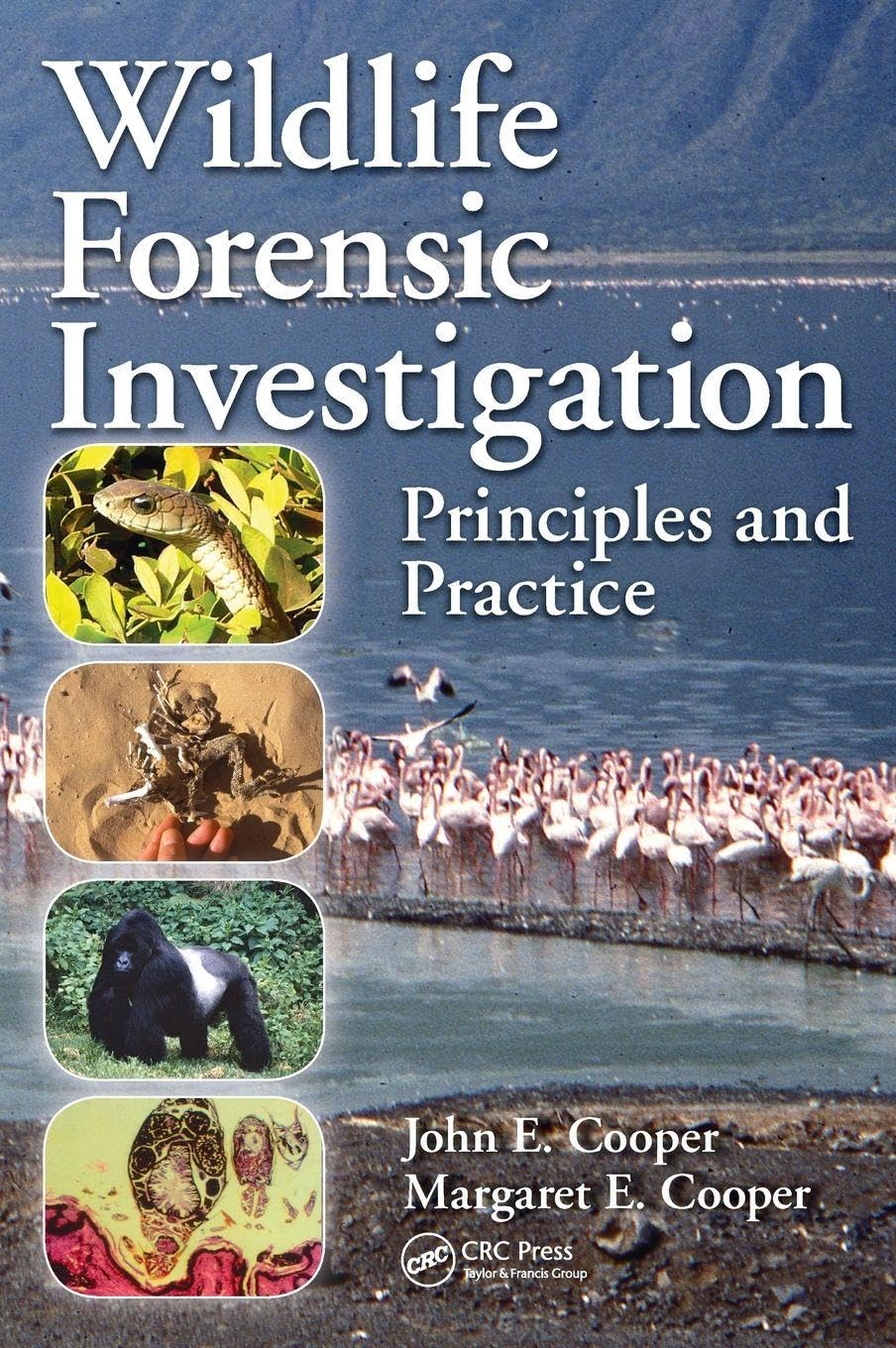
This book by Professor John E. Cooper and his wife Mrs Margaret E. Cooper, with contributions from many countries in the world and a Foreword by Dr Lee Durrell, was published in May 2013. It is published by CRC Press/Taylor & Francis Group.
The book provides an in-depth introduction to the rapidly-evolving field of wildlife forensics. It explains and discusses the crucial role of sound scientific investigation and an understanding of the law in combating wildlife crime and cruelty to animals. The text particularly focuses on forensic science as it relates to animals, free-living and captive, but it also includes mention of threats to plants and habitats because of their relevance to environmental conservation. The damage that can be inflicted on humans and property by wildlife is also covered.
John and Margaret Cooper are a British husband and wife team, a wildlife veterinary surgeon with specialist training in comparative pathology and tropical medicine and a lawyer who has made her special interest animal and conservation legislation. The Coopers have lived and worked in Africa (including two years in Rwanda with the mountain gorillas), Arabia, continental Europe and the Caribbean. Throughout, they have promoted an interdisciplinary, “One Health”, approach to veterinary and biological education, wildlife conservation and forensic science. Now based in the United Kingdom, the Coopers teach at universities and continue their work in East Africa with wildlife, domesticated animals and local communities.
Further information about the book, and how to order visit: https://www.routledge.com/Wildlife-Forensic-Investigation-Principles-and-Practice/Cooper-Cooper/p/book/9781439813744